We respect your privacy





















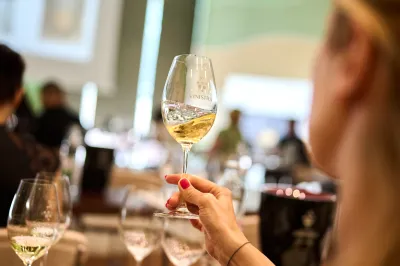



Clonal selection of Teran grape variety
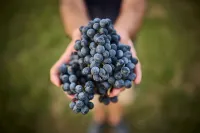
Selection and preservation of original Istrian Teran
With the aim to preserve the original Istrian gene pool of the Teran variety and to establish a basis for production of high-quality planting material, a project of clonal selection and the establishment of a certified mother block vineyard of Teran was initiated by the Vinistra Association, titled Clonal selection and establishment of a certified mother block vineyard of Teran variety. The vineyard was planted on the 200th anniversary of the first morphological description of the Teran grape variety's characteristics, written in 1824 by Petar Stanković (Pietro Stancovich), a canon and polymath from Barban.
General information about the project:
- Project holder: Institute of Agriculture and Tourism, Poreč
- Client: Association of Vinegrowers and Winemakers of Istria “Vinistra”
- Project leader: Dr. Marijan Bubola (Institute of Agriculture and Tourism, Poreč)
- Consultant: Prof. Ivan Pejić (University of Zagreb, Faculty of Agriculture)
- The project is co-financed by the Region of Istria.
- Project duration: from 2022 to 2034
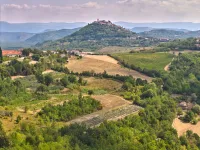
Project objectives
- to select vines with superior traits of the indigenous Istrian variety Teran in old vineyards throughout Istria, planted between 1903 and 1975, corresponding to the period before the import of planting material from other countries;
- to test selected vines for economically important viruses and propagate and plant only healthy vines in a certified mother block vineyard;
- to compare the production performance of vines (potential clonal candidates) planted under identical production conditions (in the certified mother block vineyard) and select those with the best characteristics;
- to conduct the procedure of individual clonal selection and identify and officially register several clones with superior traits, which will serve for establishing future production vineyards;
- to ensure producers’ access to the original Istrian gene pool of the Teran variety, while preventing its disappearance and preserving it for future generations.
Main motivation
In recent years old vineyards of the Teran variety, largely maintained by an older generation of small growers, have been gradually disappearing, while new plantations are often established with planting material produced in neighboring countries. This results in the loss of part of the original genetic diversity of this variety, which developed over centuries of adaptation to local conditions. It was precisely this issue that provided the main motivation for launching the Teran clonal selection project, whose goal is to preserve the identity of the original Istrian Teran.
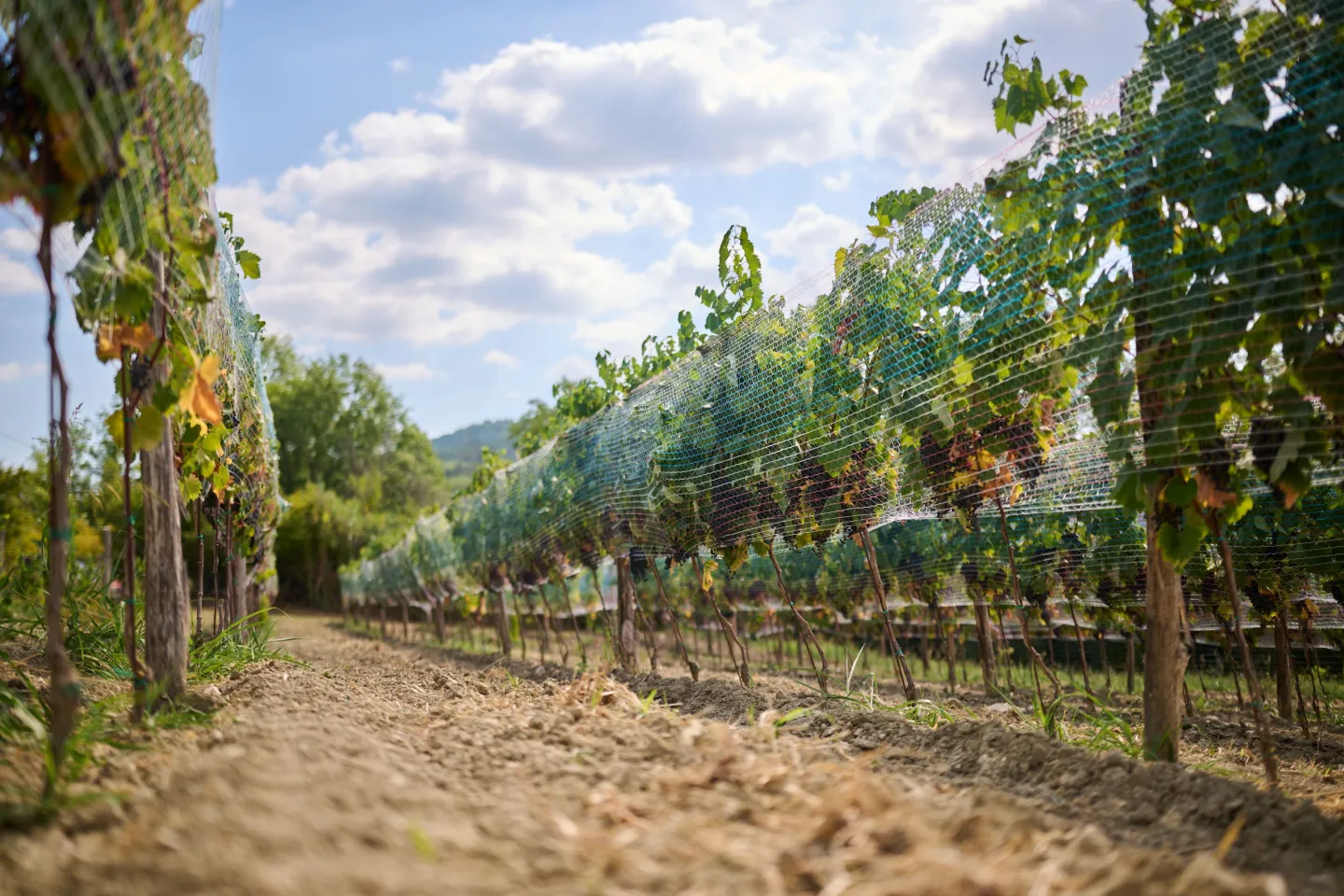
The certified mother block vineyard is not merely a research, selection, or production facility, but a living genetic bank of original Istrian Teran. It preserves the core genetic variability of this variety, created through both human and natural selection over several centuries. This plantation represents the foundation for preserving and strengthening the identity of Istrian viticulture and provides the basis for producing top-quality wines that faithfully reflect the character of the Istrian terroir.
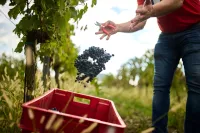
Gallery
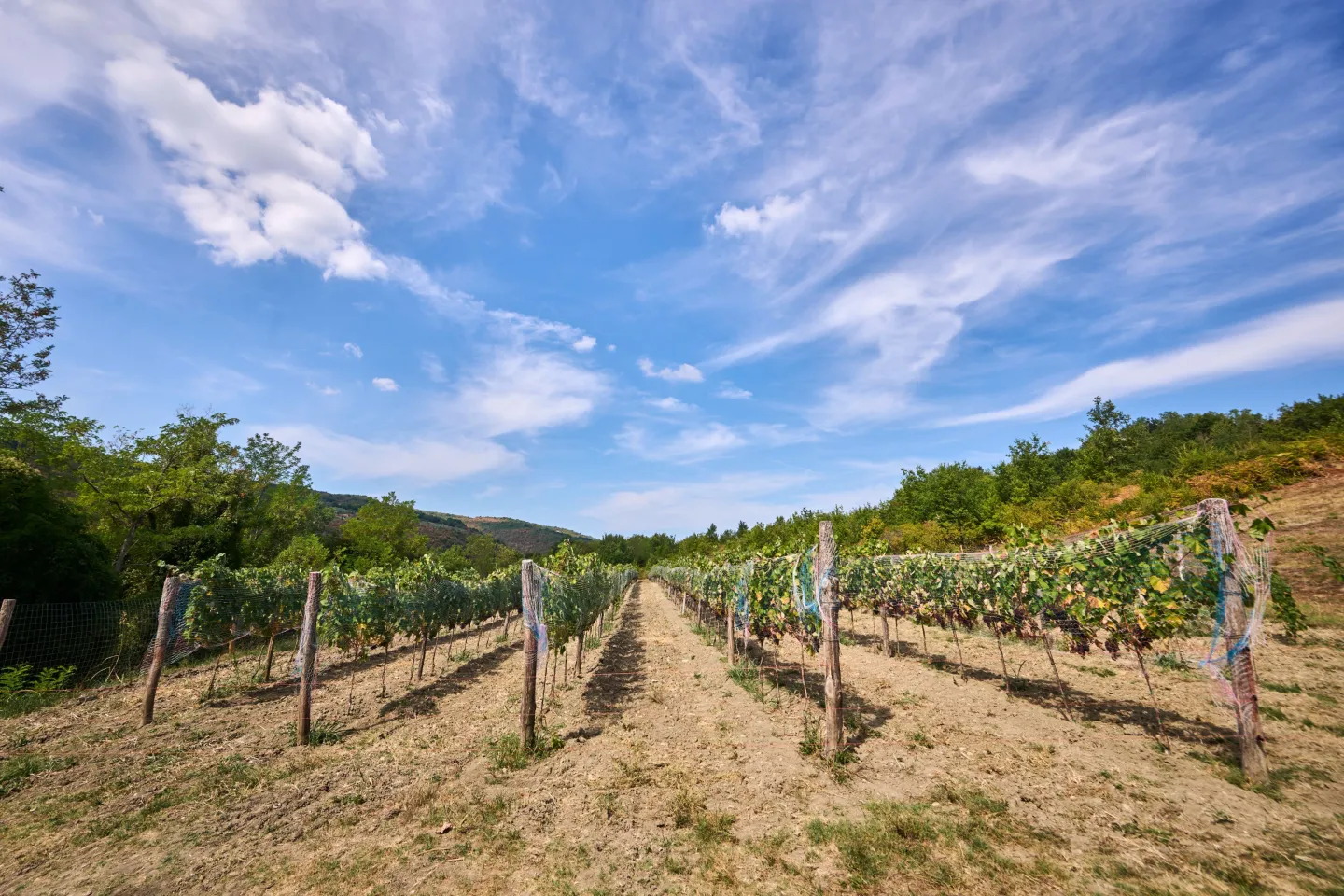
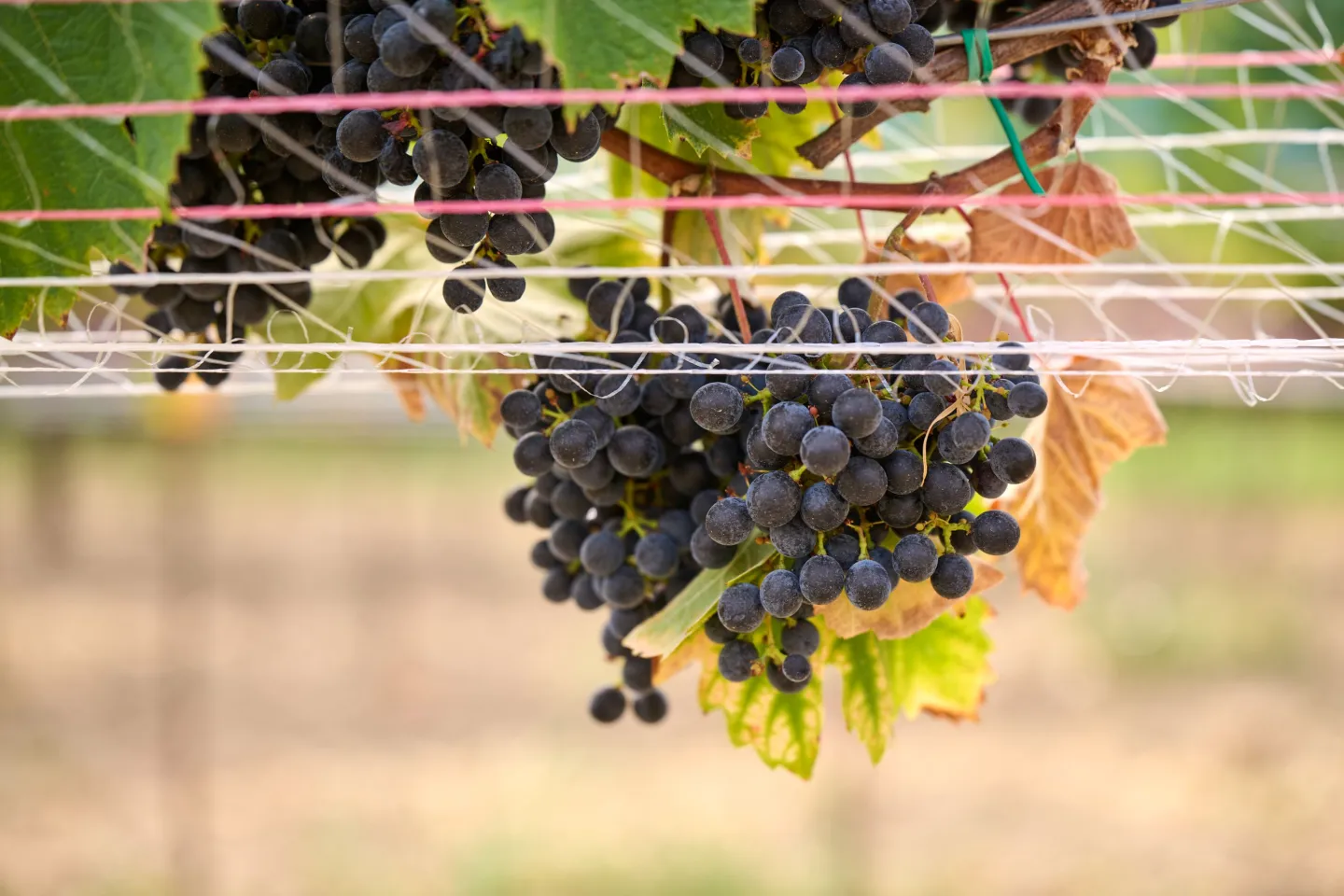
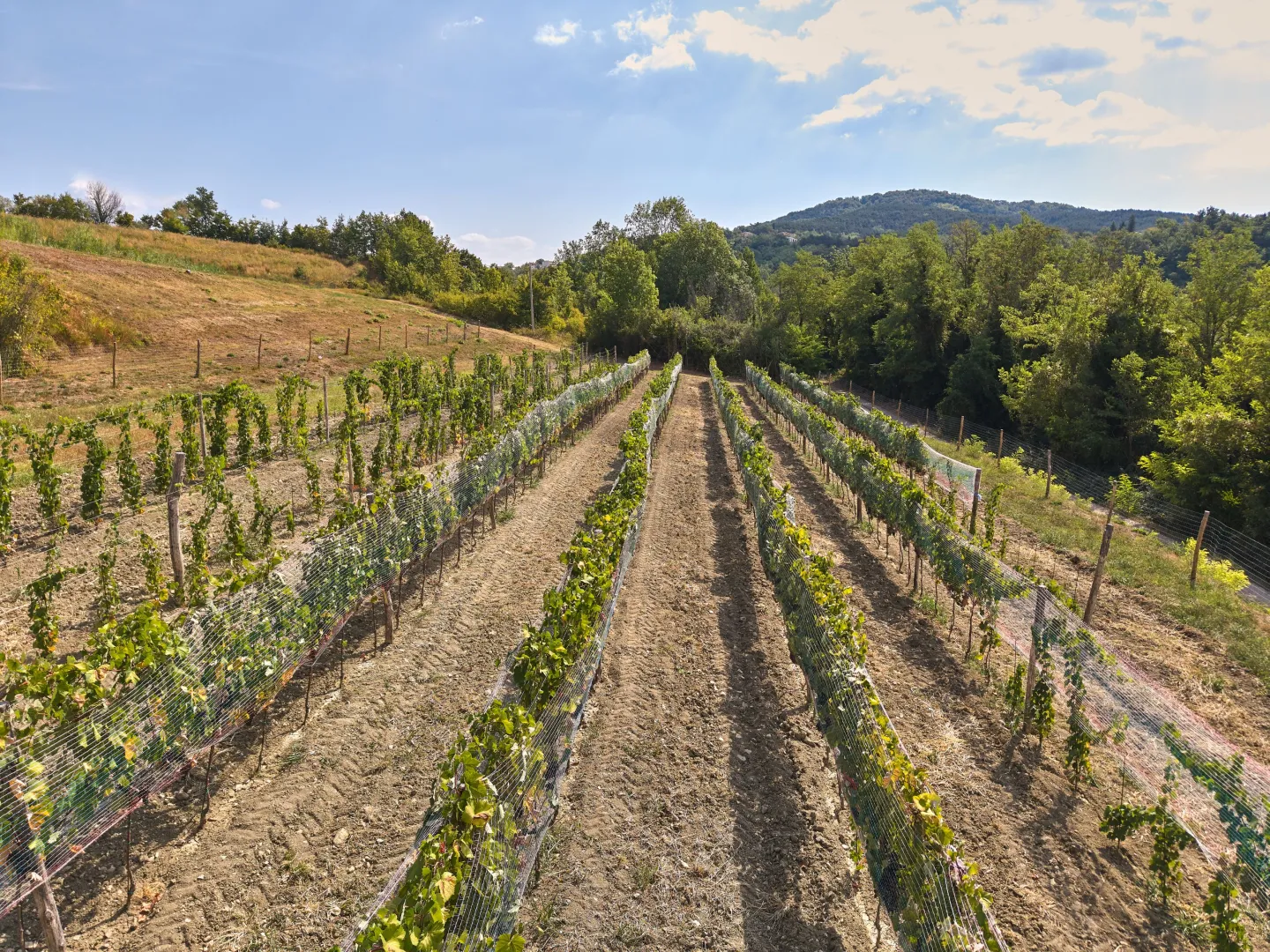
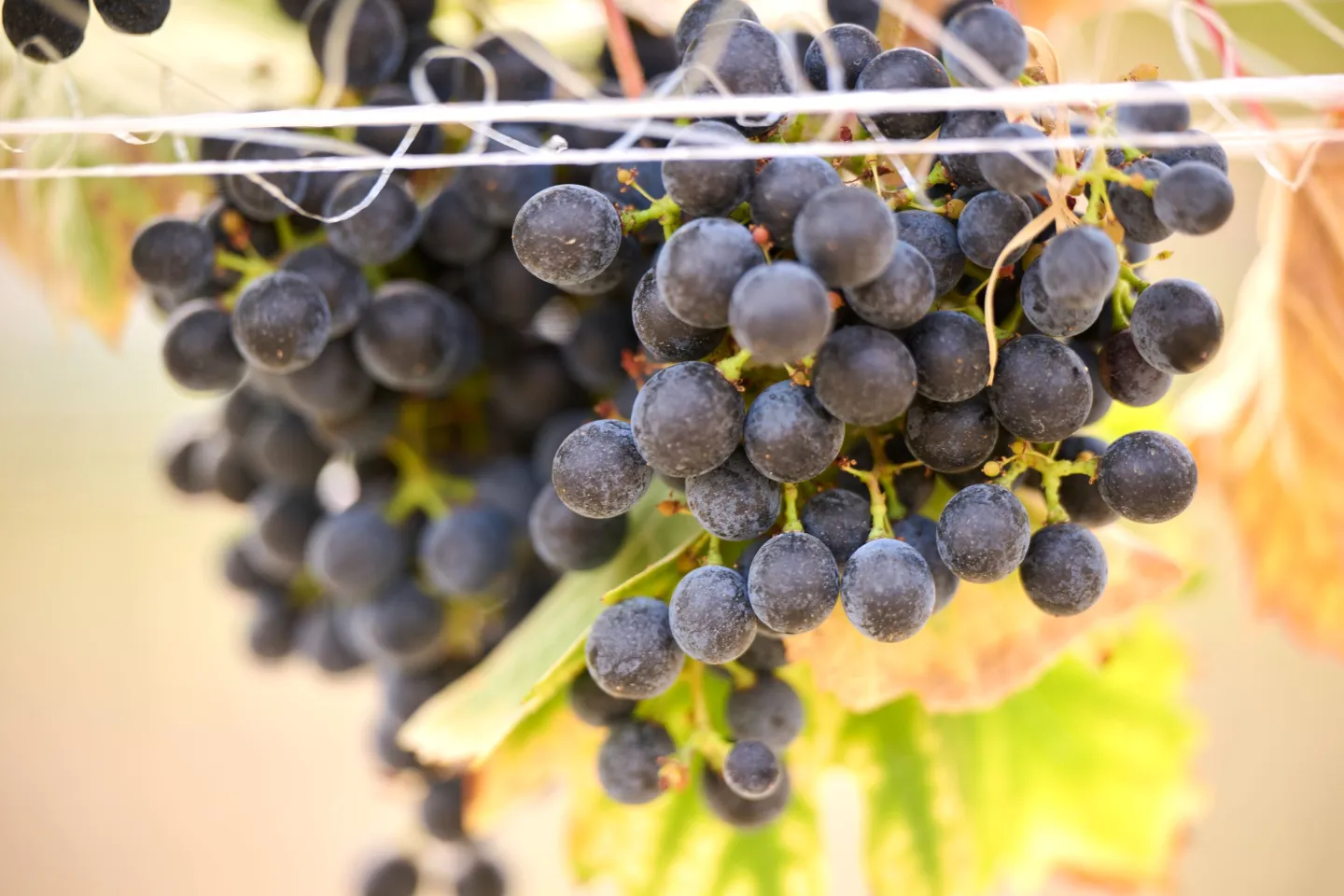
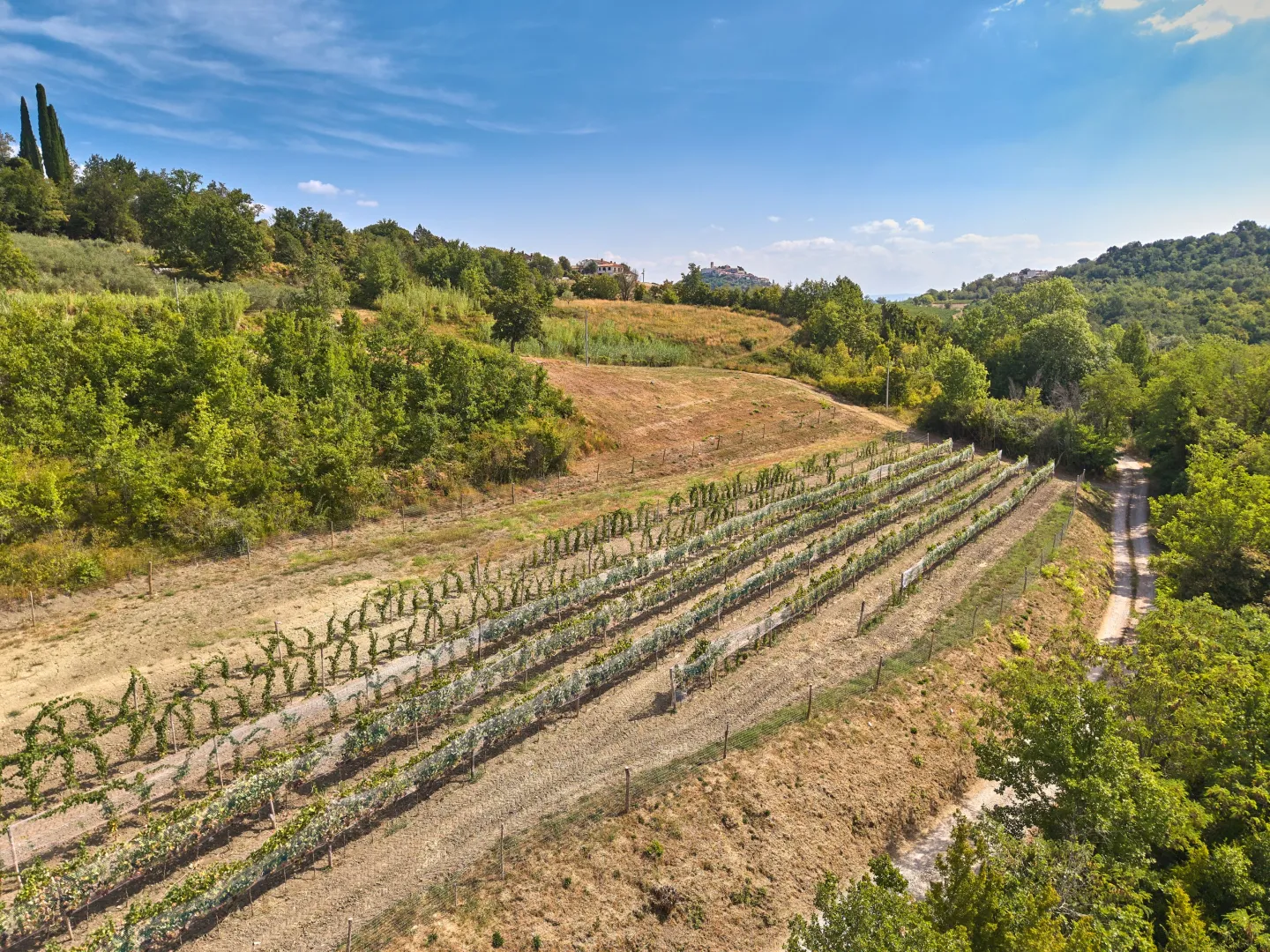
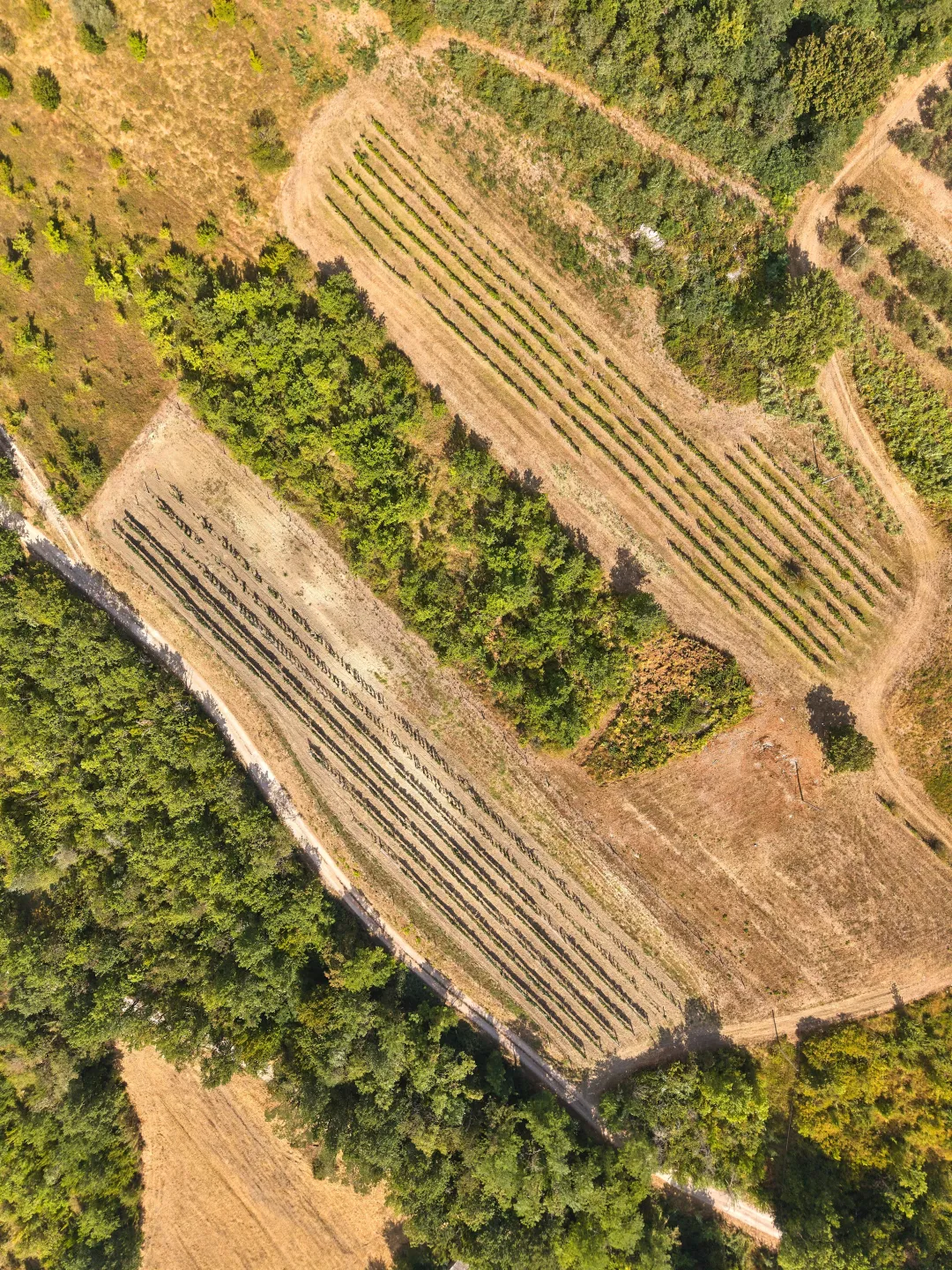
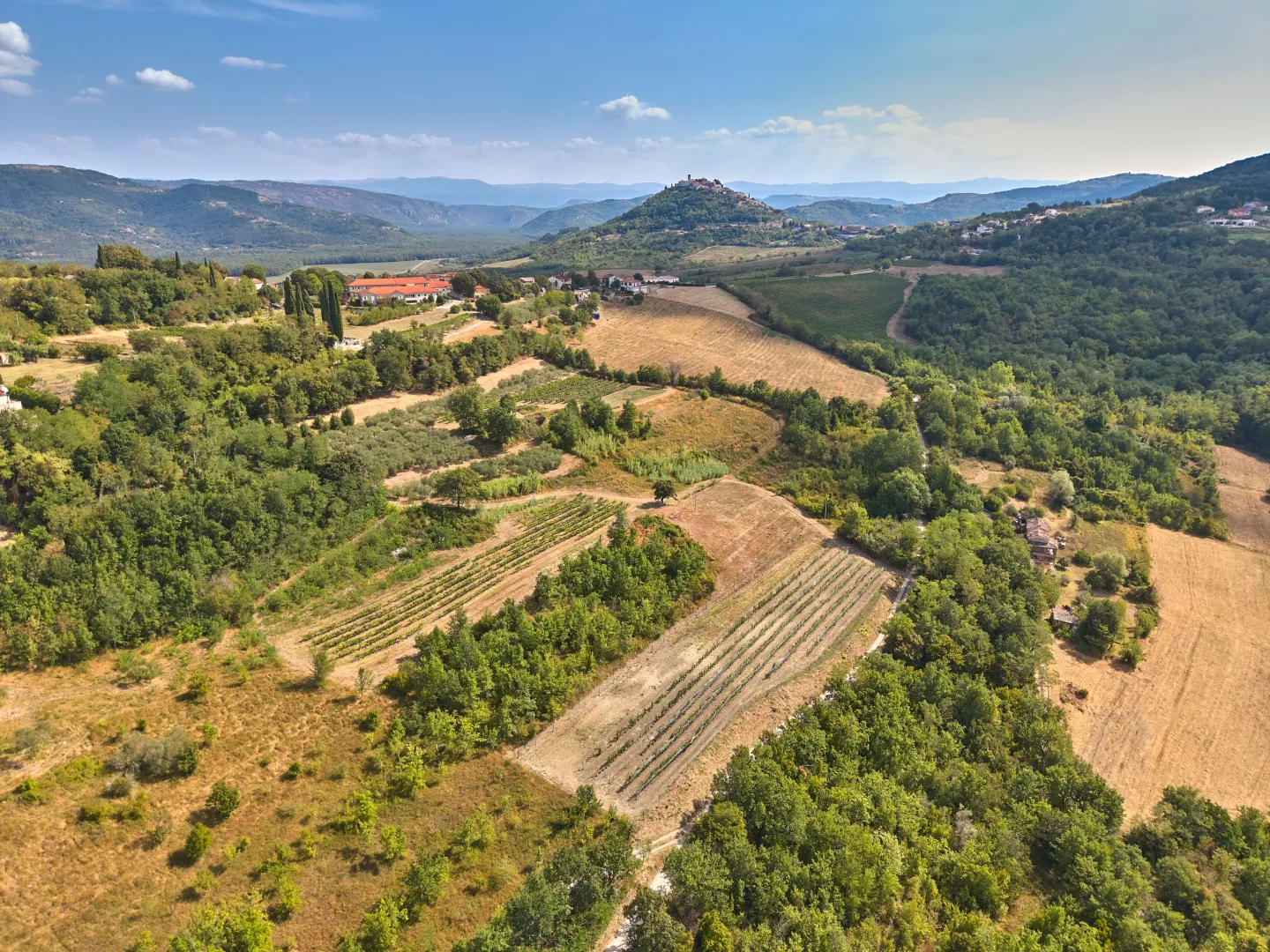
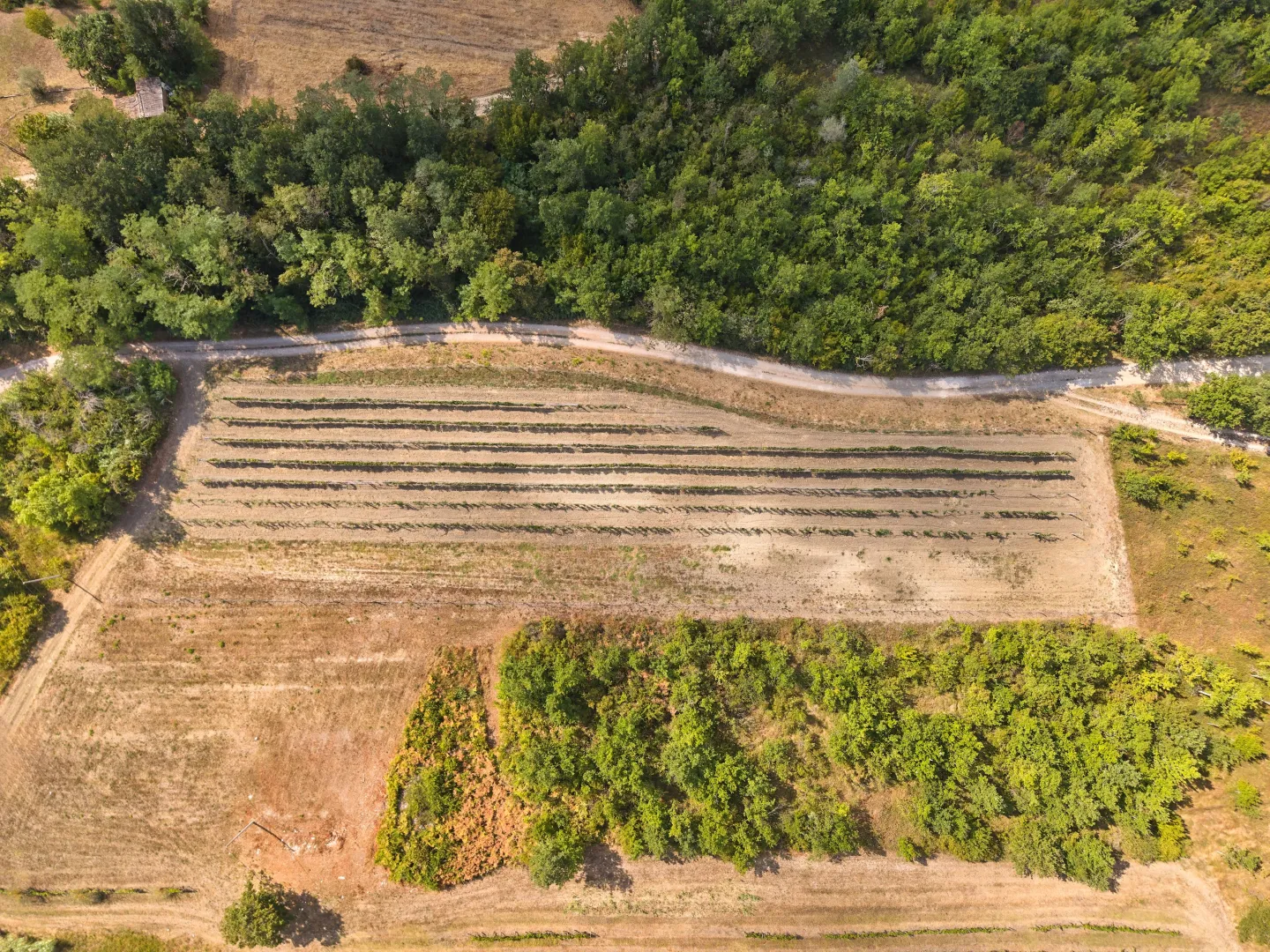
Special thanks to Fakin winery for providing the land to carry out this project.
History and importance of Teran in Istria
Teran is one of the most significant and recognizable indigenous grape varieties in Istria, deeply intertwined in Istrian heritage and winemaking tradition for centuries. Today, alongside Malvazija istarska, it stands as a cornerstone of Istrian viticulture.
Rich history and first records
19th century: Teran accounted for more than 80% of total vineyard area in Istria due to its exceptional quality and high demand across European wine markets.
1641: The Bishop of Novigrad, Giacomo Filippo Tommasini, makes the first written reference to the variety under the name Terran grande.
1824: Polymath Petar Stanković from Barban drafts the first detailed morphological description of the variety, identifying four biotypes (Terran grosso, mezzano, piccolo, and minutissimo) and noting that it yields the finest market-demand grapes available.
1894: Carlo Hugues, director of the Poreč wine and fruit station (today Institute of Agriculture and Tourism), publishes a professional paper offering practical guidelines to refine the vinification and quality of Teran.
Teran today and future outlook
Following a decline during the 20th century, Teran has experienced a remarkable revival over the last two decades. Intensive ampelographic research, modern enological techniques, and expanding vineyard acreage have earned Teran numerous prestigious domestic and international awards.
Despite these successes, old traditional vineyards are gradually disappearing, posing a risk to centuries of genetic diversity. Preserving the authentic, native identity of Istrian Teran serves as the core motivation behind the clonal selection project.